Wi-Fi vs. Bluetooth: Decoding Smart Lock Connectivity
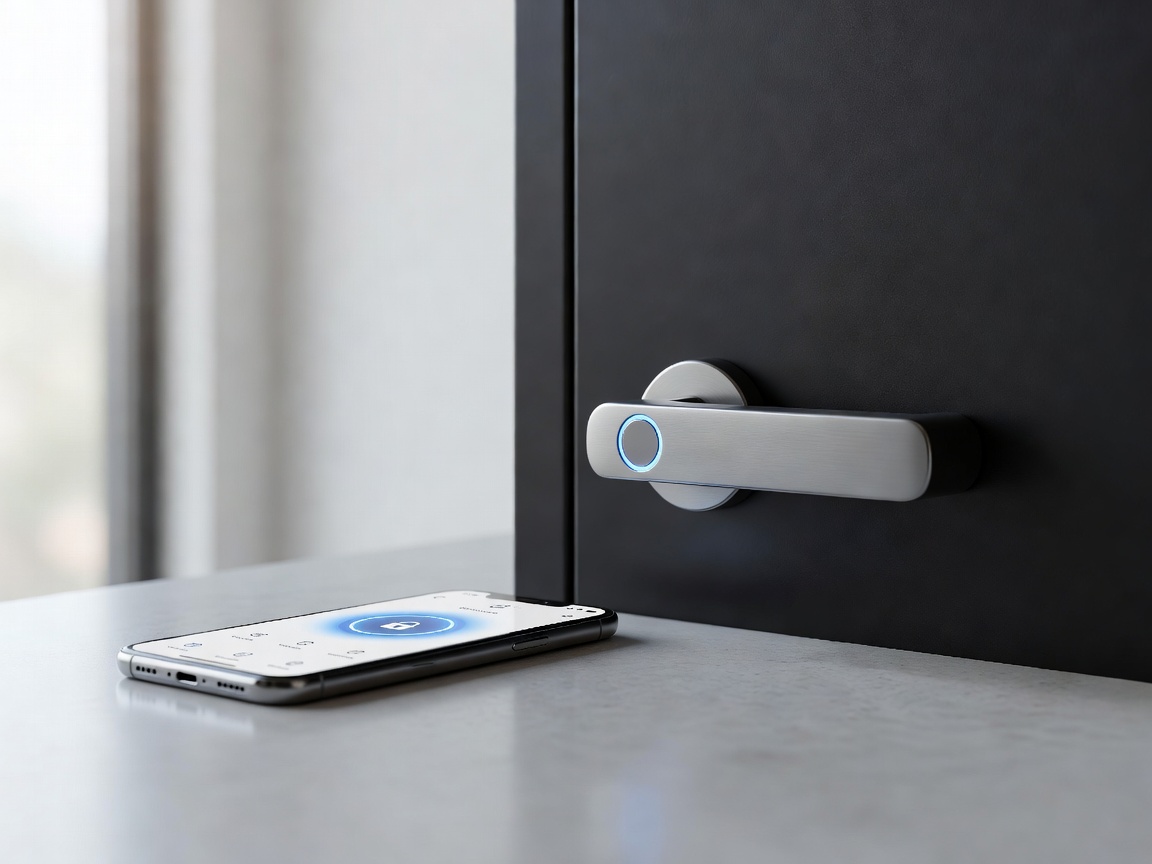
When you transition from a mechanical lock to a smart lock, you introduce digital communication protocols into your home security perimeter. The two most dominant protocols in the consumer market are Bluetooth Low Energy (BLE) and Wi-Fi. Understanding how these distinct wireless technologies operate is fundamental to choosing a lock that balances convenience, battery life, and remote accessibility.
The Case for Bluetooth (BLE) Smart Locks
Bluetooth Low Energy is a point-to-point communication standard designed for short-range data transmission with minimal power consumption. In the context of a smart lock, your smartphone acts as a digital key that communicates directly with the lock when you step within range (typically 10 to 30 feet).
Advantages of BLE:
- Exceptional Battery Life: Because BLE sips power, locks relying exclusively on Bluetooth can often operate for 9 to 12 months on a single set of standard alkaline batteries.
- Local Reliability: Bluetooth communication does not require an active internet connection or a functioning router. If your home Wi-Fi goes down or the power is out, your Bluetooth connection will still authenticate and unlock the door locally.
- Auto-Unlock Capabilities: Many BLE locks utilize geofencing. As you approach the door with your phone in your pocket, the lock detects the Bluetooth handshake and automatically deploys the mechanism—a truly hands-free experience.
The primary limitation of a strictly Bluetooth lock is proximity. You cannot monitor the door's status, review access logs in real-time, or remotely let a guest in while you are at work.
The Case for Wi-Fi Smart Locks
Wi-Fi locks connect directly to your home’s router, bridging your front door to the global internet. This constant connectivity transforms the lock into a node within your broader smart home ecosystem.
Advantages of Wi-Fi:
- Global Remote Access: Whether you are at the office or across the world, you can verify if the door is locked, lock it remotely, or open it for a delivery driver with a tap on your screen.
- Real-Time Notifications: Receive push notifications the instant the door is unlocked, detailing exactly which user code was entered.
- Ecosystem Integration: Wi-Fi locks integrate easily with voice assistants (Amazon Alexa, Google Assistant) and complex home automation routines (e.g., locking the doors and turning off the lights when you say "Goodnight").
The significant drawback of built-in Wi-Fi is power consumption. Maintaining a constant connection to a router drains batteries rapidly. Locks with integrated Wi-Fi often require battery replacements every 2 to 4 months, which can be an ongoing frustration.
The Hybrid Solution: Wi-Fi Bridges
To capture the battery efficiency of Bluetooth and the remote capabilities of Wi-Fi, many manufacturers employ a hybrid architecture via a Wi-Fi Bridge. The lock itself only contains a BLE radio. The manufacturer provides a small bridge device that plugs into a standard wall outlet within 15 feet of the door.
The bridge acts as a translator. It connects to your home Wi-Fi network to receive remote commands from the internet, and then relays those commands to the lock via low-power Bluetooth. This setup achieves remote control and real-time alerts without forcing the lock's internal batteries to bear the burden of a constant Wi-Fi connection.
Emerging Standards: Matter and Thread
While Wi-Fi and Bluetooth dominate currently, the landscape is shifting towards mesh networking standards like Thread, united under the overarching "Matter" smart home protocol. Thread operates on low power similar to BLE but creates a self-healing mesh network between devices. As Matter adoption grows, we expect to see locks that offer lightning-fast remote access with battery lifespans rivaling standalone Bluetooth units, ultimately providing the best of both worlds.
Conclusion
If your primary concern is avoiding frequent battery changes and you don't care about letting people in while you are away from home, a standard Bluetooth lock is perfectly sufficient. However, if you manage a rental property, receive frequent deliveries, or want the peace of mind of double-checking your lock status from anywhere, investing in a Wi-Fi enabled lock (or a BLE lock with a Wi-Fi bridge) is highly recommended.