The Essential Keypad Door Locks Guide
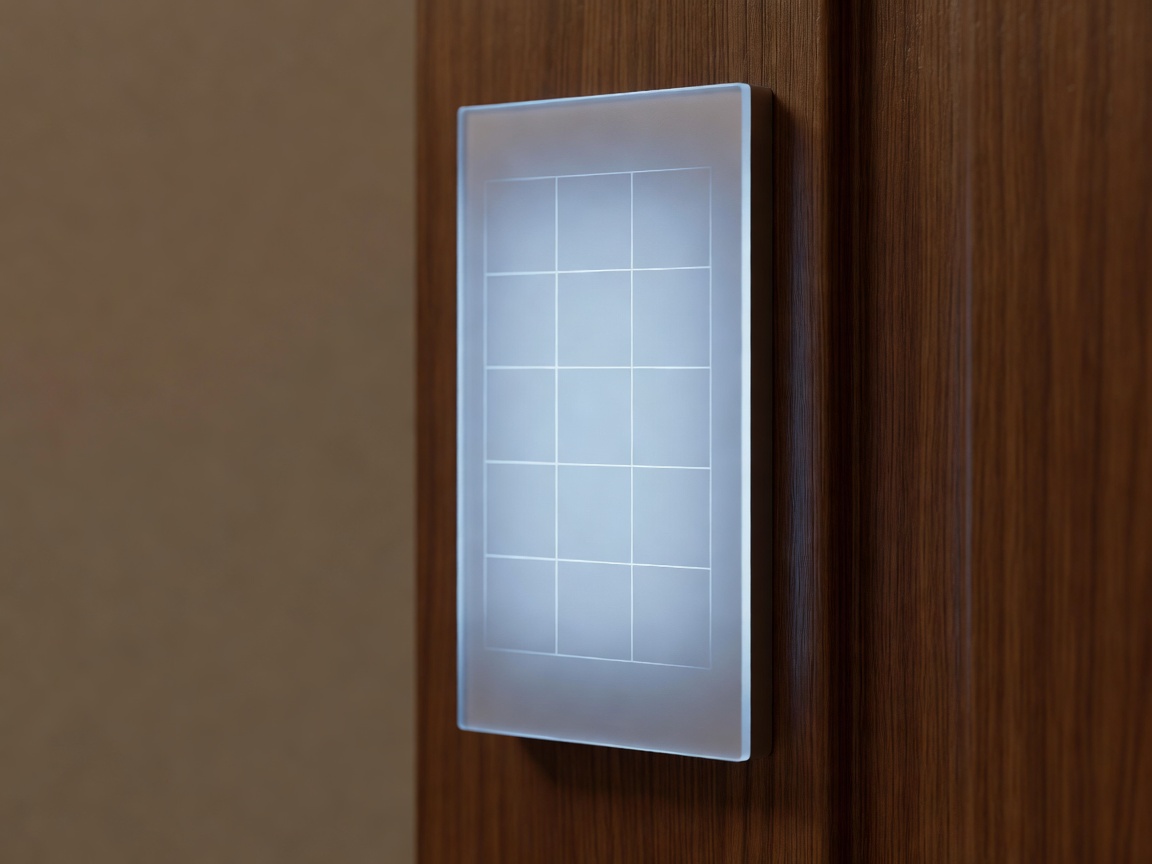
Before smartphones became universal access credentials, the keypad lock was the primary method for upgrading a home or business from physical keys. Today, keypad door locks remain one of the most reliable and popular forms of keyless entry. They bridge the gap between mechanical simplicity and electronic convenience, offering a solution that doesn't rely on Wi-Fi stability or Bluetooth pairing. This guide explores the varieties of keypad locks and best practices for managing them.
Types of Keypad Interfaces
Not all keypads are created equal. The interface you choose affects both the aesthetics of your entrance and the tactile experience of entering your code.
1. Physical Push-Button Keypads
These feature distinct, raised buttons, often constructed of rubber or hard plastic. Physical keypads provide excellent tactile feedback, making it easy to know when a button has been successfully pressed. They are highly durable and generally perform better in extreme cold, where touchscreen capacitance can sometimes struggle. However, over years of use, the most frequently pressed buttons may show physical wear, potentially revealing your PIN code to an observant intruder.
2. Electronic Touchscreen Keypads
Touchscreen locks utilize capacitive or resistive glass panels that illuminate upon touch. When inactive, they present a sleek, featureless pane of black glass, which appeals to modern architectural aesthetics. To combat the issue of fingerprint smudges revealing the code, many modern touchscreen locks employ a "randomizer" feature. This requires the user to tap two randomly illuminated digits before the full keypad appears, ensuring fingerprints are distributed evenly across the screen.
3. Mechanical Keypads
Unlike their electronic cousins, mechanical keypad locks require no batteries. They use internal physical tumblers that align when the correct sequence of buttons is pressed. While they offer ultimate reliability without battery anxiety, they typically only allow for one master code at a time and lack the logging or remote management features of electronic units.
PIN Code Management and Security
The primary advantage of a keypad lock is the ability to issue distinct Personal Identification Numbers (PINs) to different users. This allows you to track exactly whose code was used to open the door.
When selecting a lock, review its memory capacity. Basic models may hold 10 to 30 codes, while advanced systems can store hundreds. More importantly, consider how codes are programmed. Older standalone models require a convoluted sequence of master codes entered directly on the keypad to add or delete a user. Contemporary smart keypad locks integrate with mobile apps, allowing you to seamlessly add, schedule, or revoke codes from your smartphone interface.
Security Tip: Avoid obvious PINs like birth years, address numbers, or simple sequences like 1234. Furthermore, regularly audit your active codes and delete any that belong to contractors or guests who no longer need access.
Power Supply and Backup Entry
Because most keypad locks are electronic, they rely on internal batteries (usually 4 AA batteries) to power the keypad and the internal motor. Depending on usage, expect a battery life ranging from 6 to 12 months. Lock manufacturers have built in multiple fail-safes to prevent you from being locked out:
- Low Battery Warnings: The lock will typically flash red, beep, or send a push notification weeks before the battery dies.
- Physical Key Override: Many models still include a hidden mechanical keyway beneath the keypad as a final fallback.
- Emergency Jumpstart: For completely keyless models, you'll often find two metal terminals on the bottom of the exterior housing. Touching a standard 9V battery to these terminals provides enough momentary power to illuminate the keypad and accept your PIN.
Weather Resistance and Durability
Since the keypad is exposed to the elements, its durability is paramount. When researching models, look for their Ingress Protection (IP) rating. An IP65 rating, for example, indicates that the unit is completely protected against dust ingress and can withstand low-pressure water jets from any direction. If your door lacks an awning or storm door, investing in a lock with superior weather sealing is crucial to prevent internal corrosion and circuit failure.
Conclusion
Keypad door locks offer a highly pragmatic approach to access control. They don't require users to carry a physical key or a smartphone, making them ideal for children arriving home from school, guests staying at a rental property, or homeowners who want reliable security without complex smart home integrations. Whether you opt for a rugged mechanical push-button system or an elegant capacitive touchscreen, managing access via PIN codes represents a significant upgrade in residential security.